Quick answer
A paid Shopify theme does not buy better build quality. Shopify's free themes are maintained by Shopify, get platform features early and are usually the fastest in the Theme Store. What you pay for is a larger library of ready-made sections.
Buy paid when the theme already does something that would otherwise be a build: real filtering, editorial merchandising, or a commerce pattern like bundles. Stay free when the store is products, collections and a homepage, and when you do not yet know what it needs.
Free themes carry a stigma they have not deserved for years. Shopify's own free themes are maintained by Shopify, get platform features first, and are usually the fastest things in the Theme Store. We have shipped client stores on them. What a paid theme buys you is narrower and more specific than "quality".
01 · The trade
You are buying sections, not quality.
Shopify's free themes are built and maintained by Shopify. They receive platform features early, they are held to Shopify's own performance standards, and they are not abandoned. Nothing about "free" implies fragile.
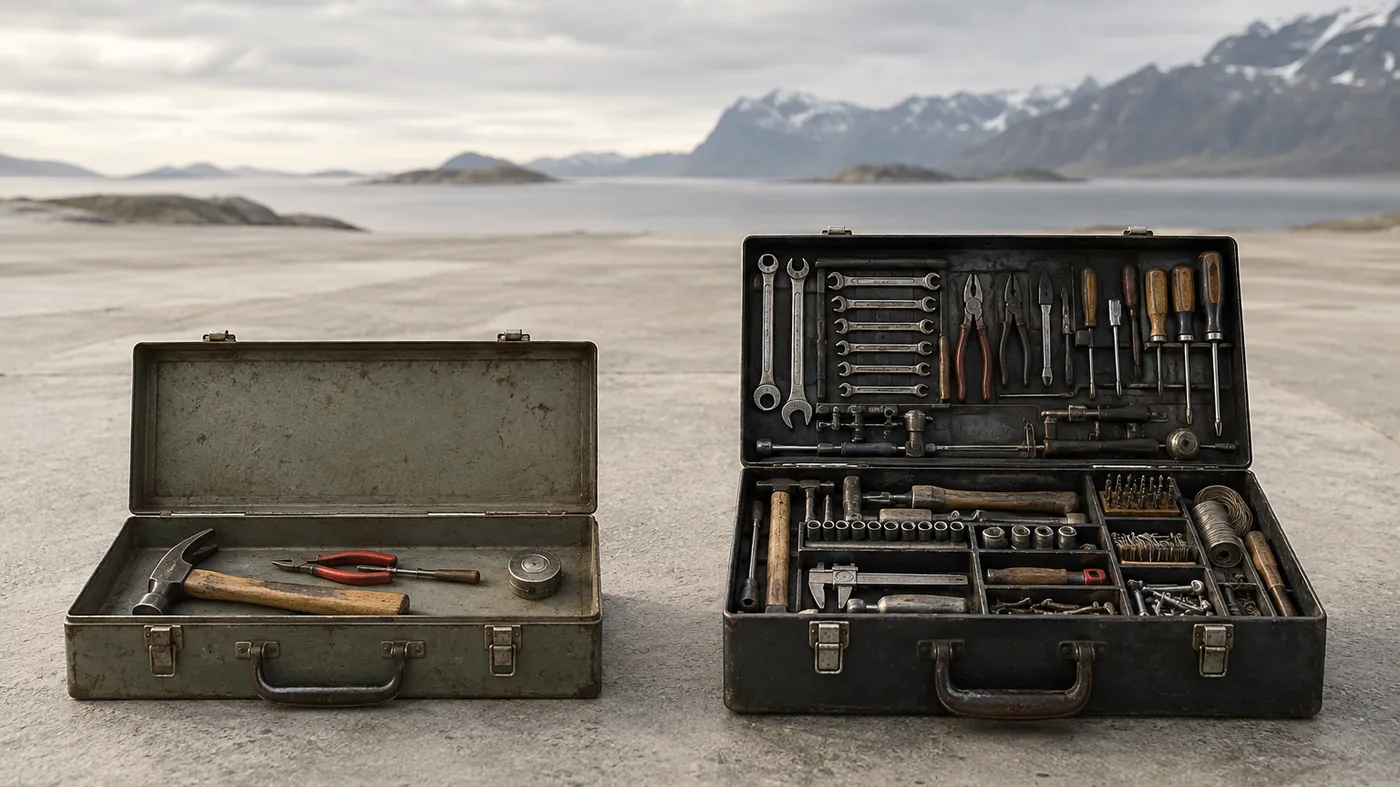
What a paid theme gives you is a larger library of ready-made sections and settings: mega-menus, lookbooks, size charts, quick view, advanced filtering, countdown blocks, comparison tables. If you need six of those, buying them once for the price of a theme is excellent value. If you need one, you are buying a suitcase for a single shirt.
02 · Free
When free is genuinely the right call.
Start free when your store is mainly products, collections and a homepage, and your differentiation is the brand and the copy rather than the interface. Three of the client stores on this site run on customised free themes: Poppy Lissiman across four regional storefronts, Haoma with subscribe-and-save, and Bend in the Barrow selling in English and French side by side. None of them look like a stock theme.
Free is also the honest choice when you do not yet know what the store needs. Themes are hard to leave once a year of homepage content lives inside them. Starting light and adding the two sections you turn out to need is cheaper than buying forty and using six.
03 · Paid
When a paid theme earns it back immediately.
Buy when the theme already does something that would otherwise be a build:
- A catalogue that needs real filtering, comparison or a technical spec layout.
- Editorial merchandising: lookbooks, shoppable stories, mixed media at scale.
- A specific commerce pattern the theme was designed around, such as bundles or wholesale.
- A design direction the theme nails, so your budget goes to content rather than to layout.
We have built on plenty of them for exactly this reason: Prestige, Ella, Focal, Shapes, Shrine Pro. In each case the theme was chosen because it already did the thing that mattered.
05 · The method
Decide it in an hour.
Write down the five things a visitor must be able to do on your store. Not adjectives, actions: compare two sizes, see the product on a body, buy a three-pack, find a stockist, read the ingredients.
Now open a free theme and check off which of the five it already does. Then open the paid theme you are considering. If it covers three or more that the free one does not, buy it. If it covers one, build that one and keep the money.
Quick check
Before you commit.
- You listed five actions a visitor must complete, not five adjectives.
- You checked those actions against a free theme first.
- The paid theme covers at least three the free one does not.
- You know how the theme handles updates after customisation.
- You checked the licence covers every storefront you plan to run.
- You compared both on a phone, not only on a laptop.
The theme is a starting point, not a verdict.
Every store on this site started from something, free or paid, and none of them look like where they started. Pick the base that already does the hard part for your catalogue, and spend the difference on the parts that are yours.
Questions
Questions people ask.
Are free Shopify themes good enough for a real store?
Yes. Shopify's free themes are built and maintained by Shopify, receive platform features first and meet Shopify's performance standards. Several client stores on this site run on customised free themes, including one selling across four regional storefronts.
What does a paid Shopify theme actually give you?
A larger library of pre-made sections and settings: mega-menus, lookbooks, advanced filtering, comparison tables, quick view. It is worth it when you need several of them. If you need one, building that one is cheaper than buying the bundle.
Can you customise a free Shopify theme heavily?
Yes, and it is common. Free themes use the same Online Store 2.0 section and block architecture as paid ones, so purpose-made sections can be added to them exactly the same way. The result does not look like the theme it started from.