S Services · International
Shopify Markets & multi-currency setup for international brands
Selling internationally on Shopify is a choice between one store with Markets — languages, currencies and pricing per country on a single catalogue — and several regional storefronts with their own catalogues and fulfilment. Both work. Both go wrong the same ways: shoppers land on the wrong version, crawlers get redirected, prices round badly, and the translations live somewhere you do not control.
GooGoGoGo sets up Shopify Markets, multi-currency and multi-language storefronts, and regional-store architectures with geo-routing — including the hreflang, the crawler rules and the override logic that make the setup hold. Seven of the client stores on this site sell in more than one language or currency.
Scope it on a free call Free first concept before any deposit — we reply within 24h.
- 22 client stores you can open
- 29 free Shopify tools, live now
- $299 where fixed-scope fixes start

What an international setup has to get right
The visible part — a currency switcher — is the easy part. These are the parts that decide whether it works.
- The model. One store with Markets when the catalogue and fulfilment are shared; regional storefronts when pricing, stock or legal entities differ. Choosing wrong is expensive to undo.
- Crawler-safe routing. Search engines crawl from US addresses. Redirect them by location and every regional version disappears from its own country’s index.
- An override that sticks. Anyone sent to the wrong version must be able to switch, and the choice must be remembered — without a cookie that can quietly pin the wrong choice forever.
- hreflang that is complete and mutual. Every language–country version declared on every version, with x-default. Half-done hreflang means your own pages compete with each other.
- Prices that look priced. Currency rounding rules, tax-inclusive display where the market expects it, duties shown before checkout for cross-border orders.
- Translations you own. Translated content stored in Shopify, per product, in your account — not in a third-party app’s database.
How we build it
We have shipped both models and we will tell you which one you need before you pay for either.
- Markets on one store. Oway runs five languages and about thirty countries in EUR, CHF and GBP on one storefront, with more than a hundred language–country pairs declared in hreflang.
- Regional storefronts with routing. Poppy Lissiman runs four regional stores on one theme codebase with geo-redirect and a remembered override; BIQU’s routing runs as a self-hosted app the client installed without giving anyone theme access.
- Right-to-left and multi-script. The Ouz Co runs English and Arabic with a fully mirrored layout; UMI&UMI runs Japanese, Korean, English and Simplified Chinese with currency per market.
- Verification, not assumption. We test the routing as a crawler, as a returning visitor and as a shopper who changes their mind — and we check hreflang the way Search Console reads it.
- A first concept before any deposit. You see the plan and the design direction before committing.
Work in this category
Real client stores, each with its own case study. Open them; everything on this page is verifiable there.
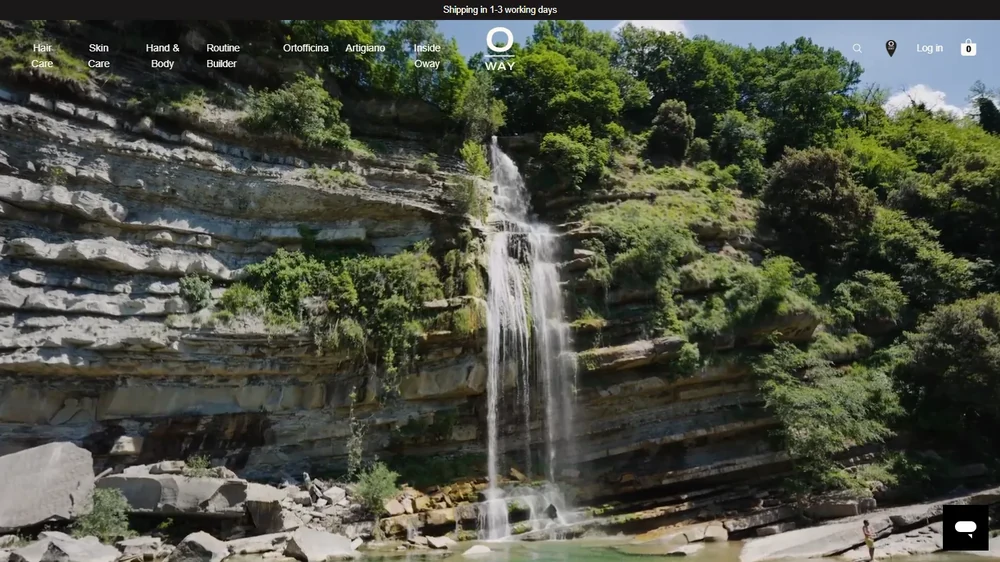 Organic Hair CareOway
Custom theme with video hero, image mega-menu, paid add-ons, free-shipping cart drawer; 5 languages, 30 countries in EUR, CHF and GBP.
Read the case → Bags & EyewearPoppy Lissiman
Four regional storefronts on a customised Dawn base: geo-redirect, multi-currency, wishlist, back-in-stock alerts and click & collect.
Read the case →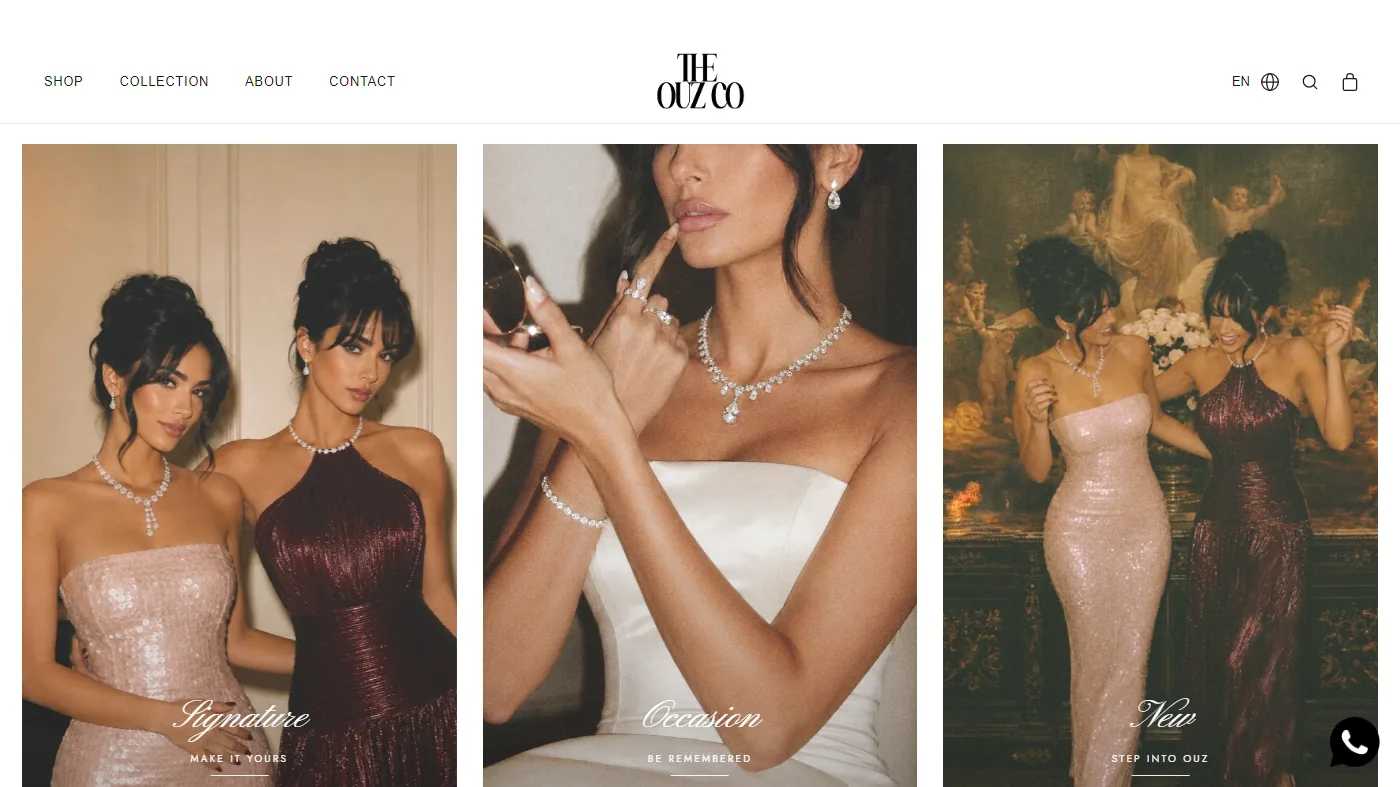 JewelleryThe Ouz Co
A custom Prestige build running English and Arabic side by side, with a full right-to-left layout and a shop-by-shape browser.
Read the case →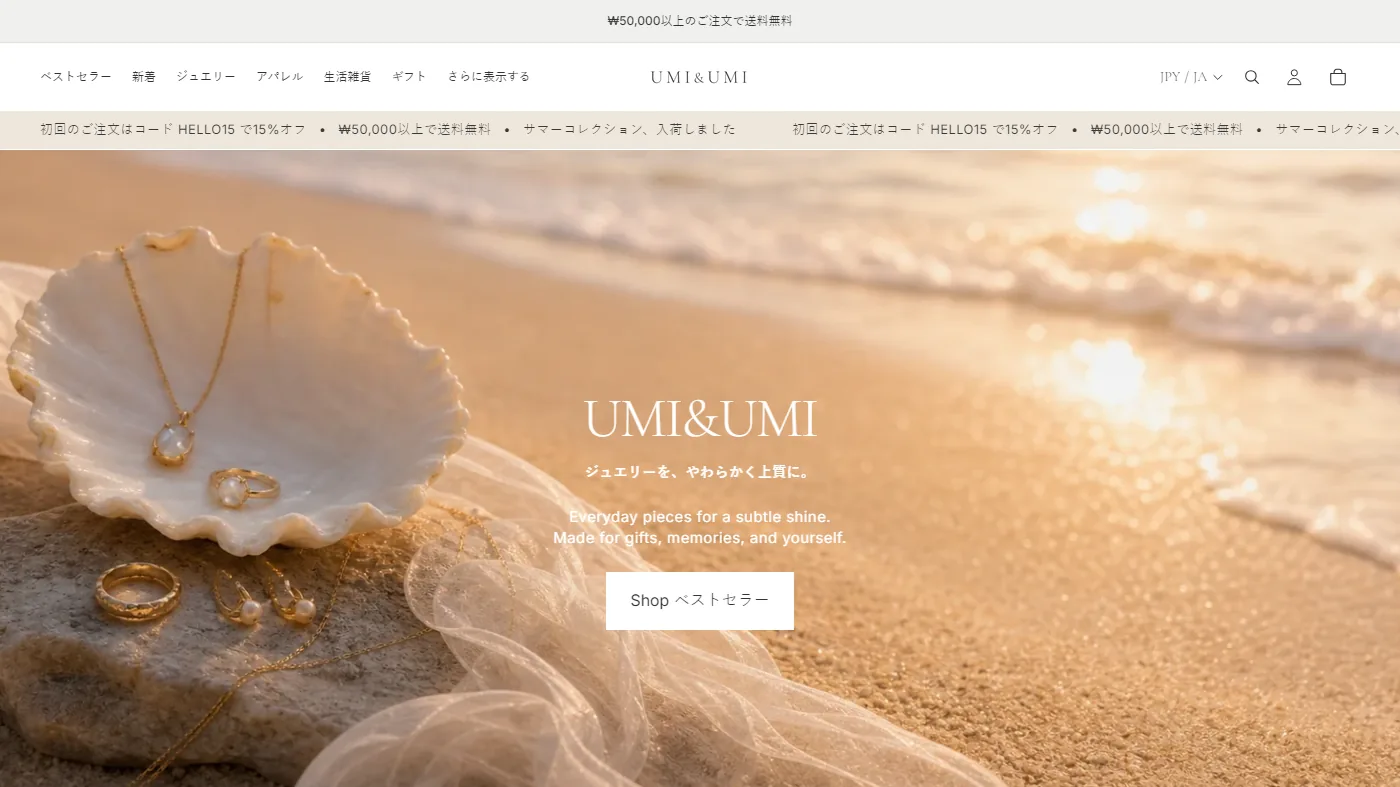 JewelleryUMI&UMI
A customised Horizon storefront running Japanese, Korean, English and Simplified Chinese side by side, currency included.
Read the case →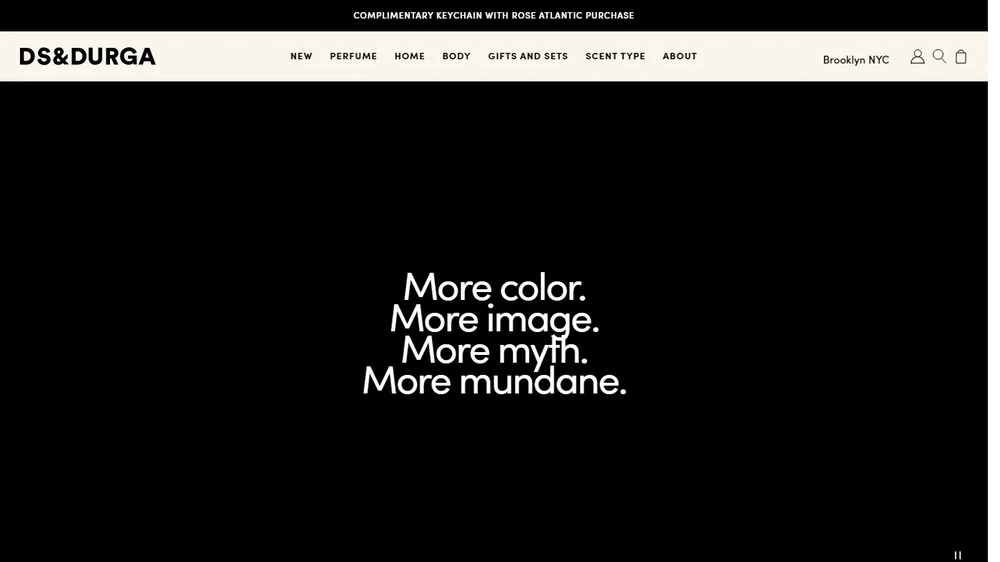 FragranceD.S. & DURGA
A customised Stretch build across US, UK and Canada markets, with a four-slot sample-set builder and note-by-note perfume pages.
Read the case →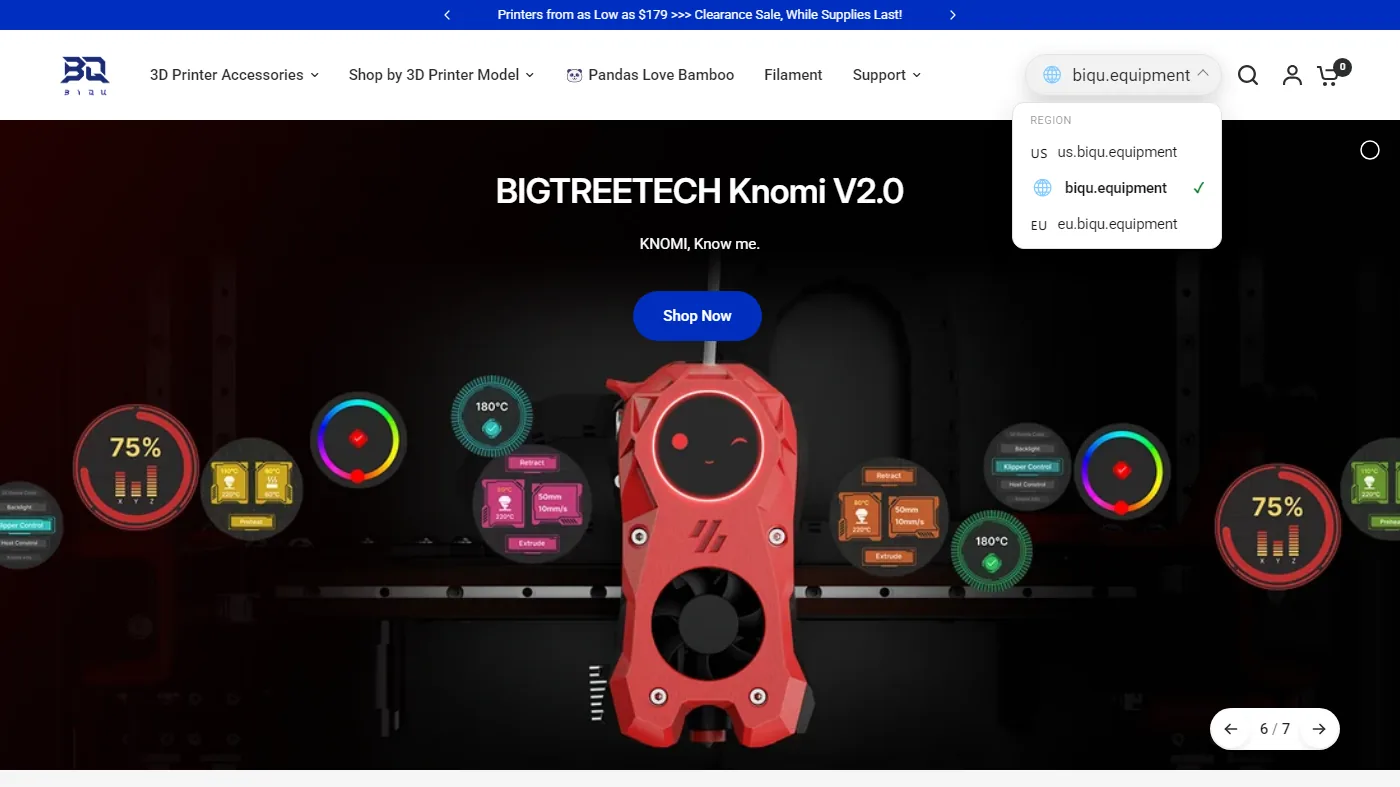 Shopify AppGeo Store Router
A self-hosted Shopify app that routes each visitor to the right regional storefront. The client installs it himself — no theme access needed.
Read the case →When this is not the right fit
If ninety percent of your orders come from one country and the rest are happy in English at your home currency, a currency selector and clear shipping copy are enough for now. Markets and regional stores are for brands whose second and third countries are real businesses.
Tell us about your store
What you sell, where, and what is not working. We reply within 24 hours with a scoped next step.
Brief received.
Nice — your project is in. We will read it and come back within 24 hours with a scoped next step and a first concept, free.
Frequently asked questions
Shopify Markets or separate regional stores — which should I use?
Markets when you share one catalogue and one fulfilment operation and mainly need languages, currencies and per-country pricing. Regional stores when catalogues, stock, pricing strategy or legal entities differ by region. We have built both and will recommend one on the first call.
Will geo-redirects hurt my SEO?
Only if they redirect crawlers. We never redirect by IP for bots, we declare every version in hreflang, and we give humans an override that is remembered. Done that way, each version is indexed for its own country.
Can you set up right-to-left languages?
Yes. The Ouz Co runs a fully mirrored Arabic storefront next to English — logical CSS throughout the theme, mirrored components, hreflang for both.
Where do the translations live?
In Shopify, per product and per resource, in your account. We avoid apps that keep your content in their own database.
What about duties and taxes for cross-border orders?
Markets can show duties and taxes at checkout for supported destinations, and pricing can be set per market so what the customer sees is what they pay. We configure it and test it from the destination’s point of view.
What does a Markets or multi-store setup cost?
A single-store Markets setup with a few languages usually sits in the $500–1.5k band; multi-store architectures with routing in $1.5k–4k or above depending on the number of stores. Scope is set before build.
Talk to the studio
Tell us what you are building. The first step is a scoped discovery pass — a prioritised roadmap before any build work starts.